Language
2026.6.4
~The Treasure of Unko 2100 Project~ Traditional Japanese Crafts Meet “Unko Museum” in a Timeless New Collaboration. A limited-edition collection debuts on Friday, June 5.
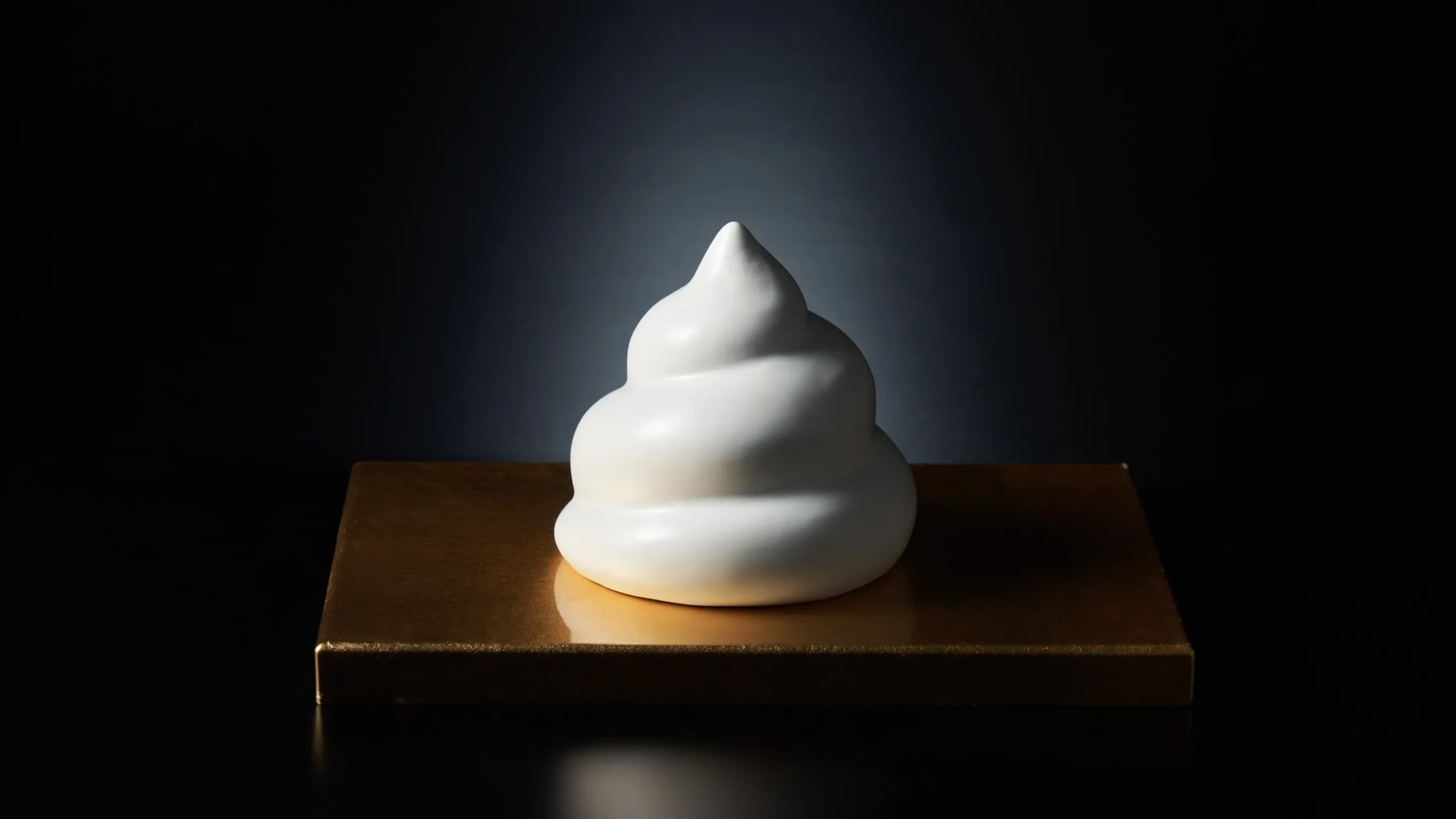
As part of the launch of our new project, “The Treasures of Poop 2100,” a limited-edition collection will go on sale starting Friday, June 5, 2026, at the “Unko Museum TOKYO,” “Unko Museum NAGOYA,” and “Unko Museum OKINAWA” shops.
Japan has cultivated a unique culture by harmonizing diverse traditions and values, ranging from traditional crafts to “kawaii” culture. The Unko Museum is a form of entertainment born from this uniquely Japanese spirit of creativity and playfulness. Through this project, we aim to reinterpret that sensibility in a contemporary way and propose “treasures of Unko” that will endure for the next 100 years.
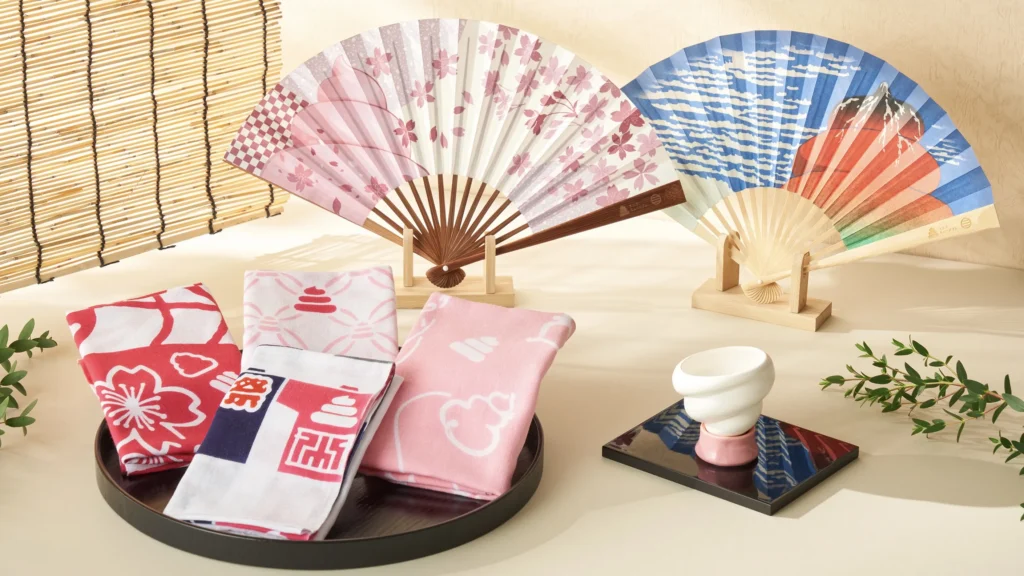
For this launch project, we are introducing a limited-edition collection created in collaboration with “Ibasen,” a long-established Edo-style fan shop founded in 1590; “Chikusen,” a long-established kimono dyeing shop founded in 1842; and ceramic artist Norikatsu Sato. The collection is themed around the playful spirit found in traditional Japanese culture—concepts such as “mitate” (playful interpretation), “share” (wordplay), and “iki” (refined elegance).
We’ve expressed a new charm through the unique perspective of the “Unko Museum,” which has transformed the universally familiar concept of “Unko(poop)” from something “dirty” into something “cute” and “fun.”
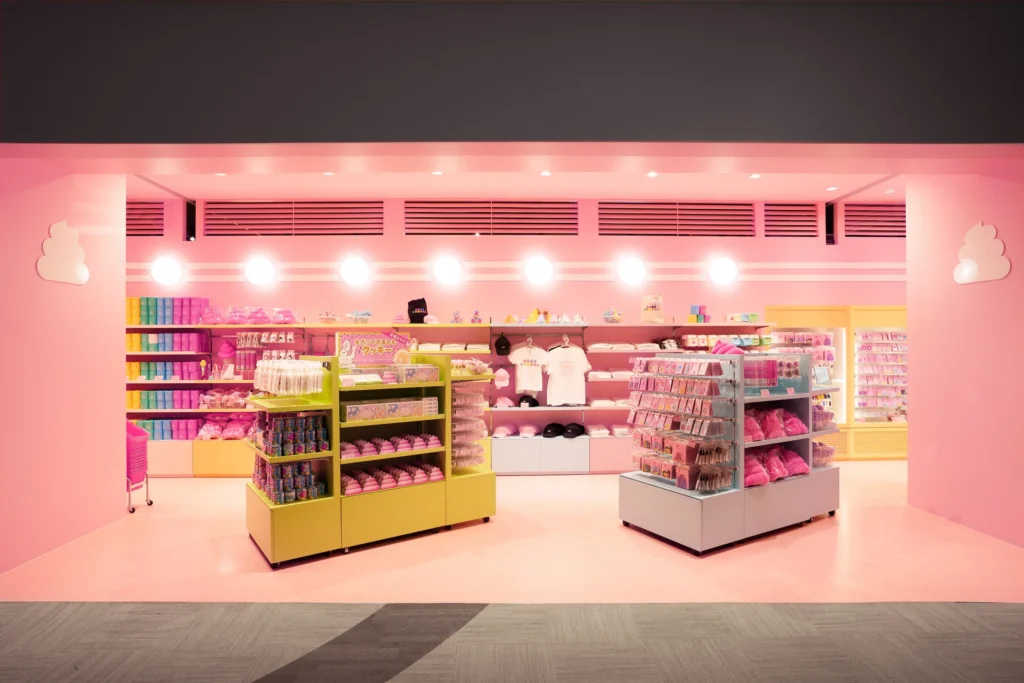
These items are both practical and perfect for the coming season, making them ideal for yourself or as a gift for someone special. Please note that you can visit the shop without entering the museum, so feel free to stop by and take a look.
Collaboration Brands and Items
“Ibasen”
Founded in 1590 (the 18th year of the Tenshō era). Through its folding fans and hand fans, the company continues to convey the essence of Edo culture to the present day while cherishing the craftsmanship and aesthetic sensibilities cultivated over its long history. Combining delicate, handcrafted workmanship with designs that resonate with the times, the company creates products that blend tradition and innovation.
Folding Fans: 9,900 yen each (tax included)
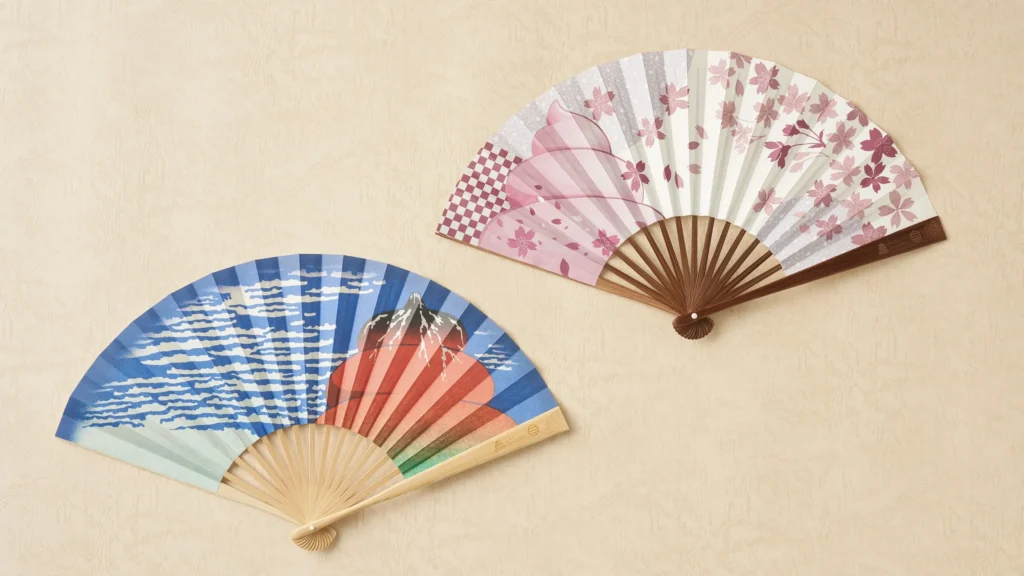
Unko Cherry Blossoms: Cherry blossoms are an auspicious motif symbolic of Japan, representing “new beginnings” and “prosperity.” We’ve combined cherry blossoms—which symbolize “transience”—with poop.
Unko Red Fuji: “Red Fuji” is known as a symbol of good luck. At first glance, it appears to be a traditional image of Mount Fuji, but a closer look reveals that the landscape is cleverly formed by playful “unko” (poop) silhouettes.
【Comment】
Ibasen Co., Ltd.
Mr. Takashi Yoshida, President and CEO
Mr. Shigeru Ouchi, General Manager, Sales Department
At first, I was a bit surprised to hear the word “poop,” but as I learned more about the “Unko Museum,” I felt that the concept of “reimagining poop in a fun and cute way” resonated with the wit and playfulness of Edo-period culture.
Ibasen has long cherished “hanjimono”—a culture of wordplay and humor that originated in the Edo period, involving “riddles” and “word games” where hidden meanings are deciphered from pictures and text. This folding fan features a design with a distinctly Edo-style wit: from a distance, it appears to be a red Mount Fuji, but upon closer inspection, a “poop” motif is revealed.
We hope many people will pick it up thinking, “That’s interesting,” and that it will bring a smile to their faces the moment they open it.
“Chikusen”
A long-established yukata brand with a history dating back to the Edo period. Since its founding in 1842, the brand has remained committed to natural materials and has preserved the traditional “katazome” dyeing technique, which involves hand-dyeing using hand-carved stencils. It is characterized by its “iki” colors and patterns, which symbolize Edo culture.
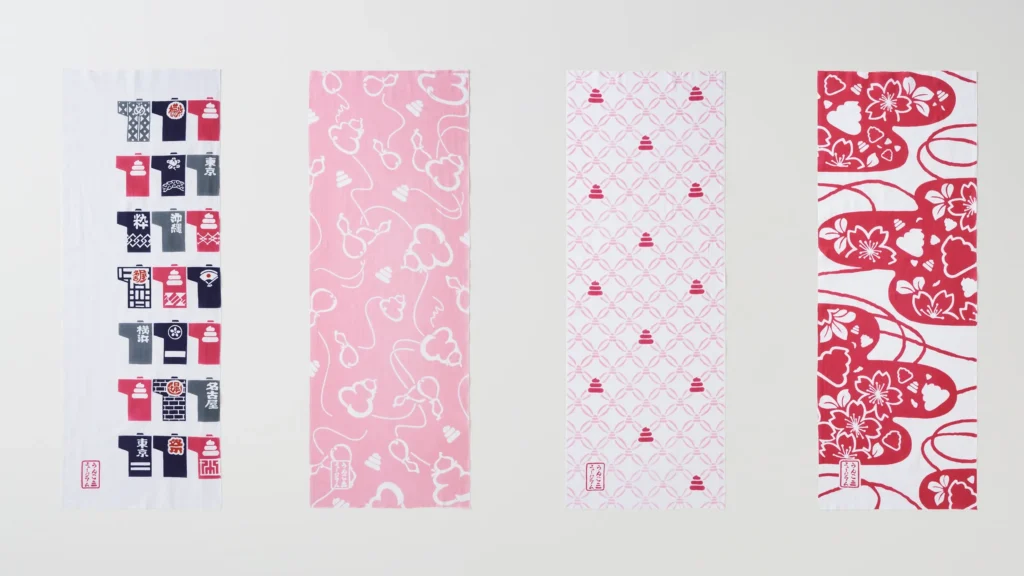
Tenugui: 3,000 yen each (tax included)
Unko Hanten: A design that scatters poop motifs across Chikusen’s signature hanten pattern, evoking the lively spirit of the Edo period.
Unko Cherry Blossoms: A design that subtly incorporates poop into a cherry blossom pattern, which symbolizes “new beginnings” and “abundance.”
Unko Shippo-tsunagi: A pop take on the Shippo-tsunagi pattern—which signifies “harmony” and “good fortune”—featuring poop motifs.
Unko Gourd: A playful interpretation of the gourd, a symbol of “good health” and “warding off misfortune,” reimagined as poop.
“Chusen”: A Traditional Dyeing Technique Unique to Japan
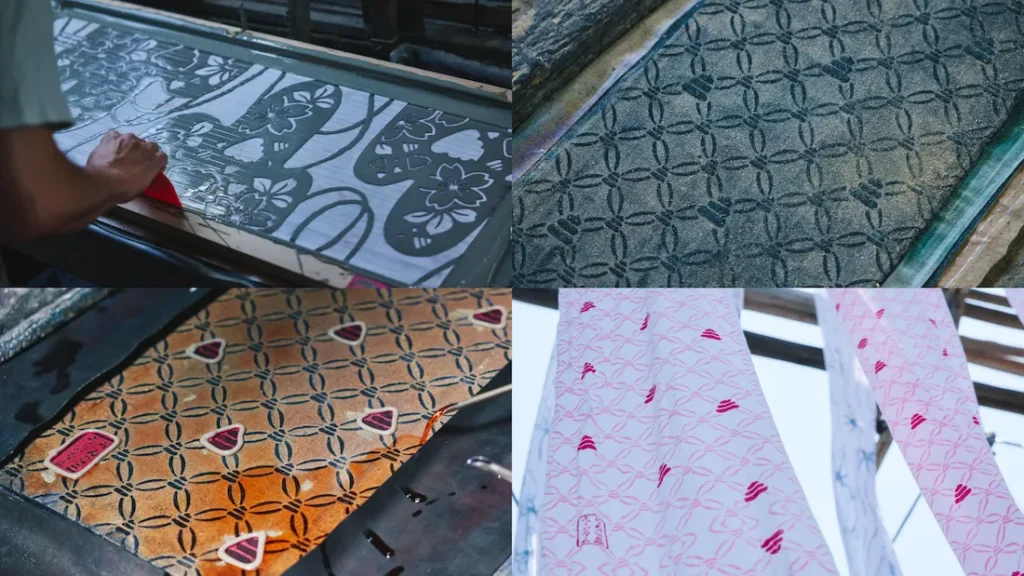
Chikusen’s tenugui are still hand-dyed today using “Chusen,” a traditional Japanese technique that originated in the Meiji era.
Carrying on the “iki” aesthetic beloved by the people of Edo, each hand towel is meticulously crafted through a series of processes—paste application, dyeing, rinsing, and sun-drying—resulting in colorful, high-quality hand towels made with the skill and dedication of our artisans.
【Comment】
Chikusen Co., Ltd.
Ms. Takane Tsushima, Section Manager, Cotton Fabrics Division, Product Department
We believe that “tradition” is not merely about preserving time-honored techniques and culture, but rather the result of continuously taking on new challenges. That is why, when I first heard about this collaboration with the “Unko Museum,” I was surprised, but I was also delighted.
The appeal of Chikusen’s tenugui lies not only in their design but also in the comfort they provide when actually used. Our original fabric “Tomare,” which we’ve used in this product line, excels in absorbency and soft texture. Thanks to the “technique of dyeing deep into the fibers”—a hallmark of chusen dyeing—the finish allows users to appreciate its quality more and more with each use.
I hope this collaborative product line will serve as an opportunity for more people to discover the charm of tenugui and the culture of chusen dyeing.
Ceramic Artist Norikatsu Sato
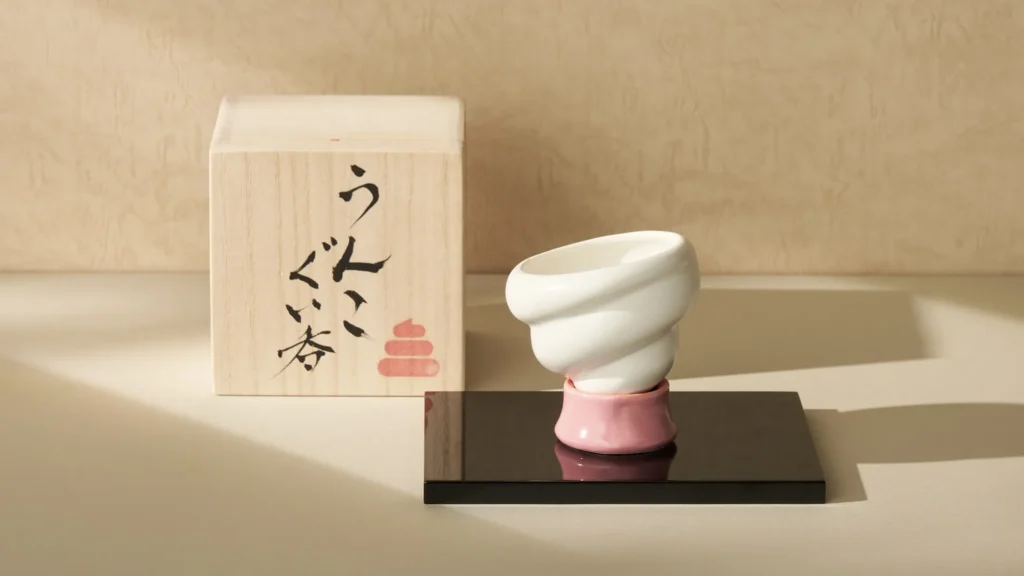
“Unko” Sake Cup: 22,000 yen (tax included)
The “guinomi” is a traditional Japanese sake cup deeply rooted in Japanese drinking culture, with its name said to derive from the phrase “gui-tto nomu” (to drink in one gulp). This exquisite piece reimagines the iconic “unko” silhouette by inverting it, seamlessly blending playful humor with fine ceramic beauty to create an item that is a delight to both look at and use.
Norikatsu Sato
【Profile】
Ceramic artist. Focusing primarily on white porcelain, his work explores the theme of “the shape of memory.” Centered on his signature “Yori” series, he creates forms that capture traces within lines and subtle undulations.
【Comment】
I was deeply drawn to the “reversal of values” presented by the “Unko Museum.” The idea that something typically hidden is revealed as “cute” and shared as an experience. I have superimposed “beauty” onto this as another perspective.
By giving form to this motif using white porcelain—a material of the highest purity and tension—I sought to capture the moment when something hidden in everyday life suddenly takes on a sense of beauty.
Furthermore, by crafting it as a drinking cup, I designed it so that the act of picking it up and using it simultaneously evokes laughter, a sense of incongruity, and a slight sense of elation.
This piece is a vessel that quietly questions the boundaries of value within us through the subtle shifts in sensation found within the joy of the experience.
■Release Date: Friday, June 5, 2026
■Retail Locations: Unko Museum TOKYO, Unko Museum NAGOYA, Unko Museum OKINAWA
*Unko Museum OKINAWA will sell only the folding fans.